Explore Practical Techniques for Cooking Without Electricity: Your Comprehensive Resource
What Is Involved in Cooking Without Electricity?
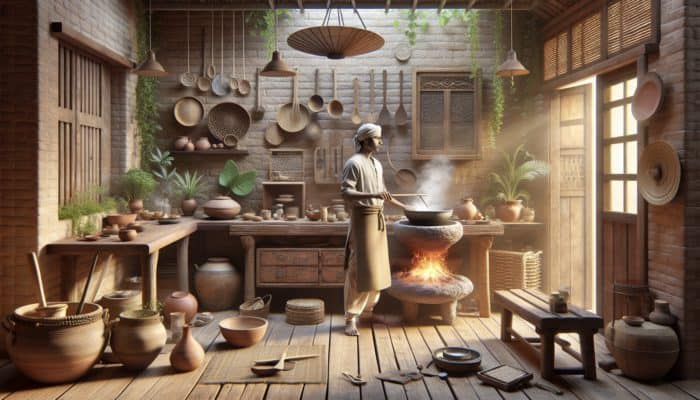
Cooking without electricity represents a fascinating culinary technique that relies solely on methods that do not require electric or gas-powered appliances. This practice has deep roots in age-old traditions cherished across various cultures, prompting creativity and resourcefulness in meal preparation. By embracing cooking without electricity, individuals can uncover inventive and practical techniques that not only benefit the environment but also enhance self-reliance. Some prominent methods utilized in this form of cooking include:
- solar cooking
- open fire cooking
- Haybox cooking
- Pit cooking
- Thermal mass cooking
- Utilizing a rocket stove
- Food preservation through fermentation and drying
Engaging with these diverse techniques not only enhances culinary skills but also deepens appreciation for the cultural heritage embedded within these traditional practices.
Discover the Numerous Benefits of Cooking Without Electricity
Embarking on the journey of cooking without electricity unveils a wide range of advantages that extend beyond simple meal preparation. This approach emphasizes sustainability, dramatically reducing reliance on fossil fuels and electricity, which collectively leads to a significant decrease in one’s carbon footprint. Furthermore, cooking without electricity often proves to be more cost-effective, as it leverages readily available resources instead of expensive energy sources. This culinary approach also fosters a deeper connection with food, as individuals dedicate time and effort to creating their meals. Key benefits associated with cooking without electricity include:
- Cost savings on utility bills
- Increased food security through enhanced self-sufficiency
- Environmental sustainability through the reduction of carbon emissions
- Improved health by focusing on fresh, wholesome ingredients
- Strengthened community bonds through shared cooking experiences
- Encouragement of culinary creativity and experimentation in meal preparation
By integrating these practices, individuals can transform their cooking experiences into meaningful and enriching endeavors that align with their personal values and lifestyle choices.
Essential Tools for Excelling in Cooking Without Electricity
Equipping yourself with the right tools is crucial for mastering the art of cooking without electricity successfully. A variety of indispensable tools can streamline the meal preparation process, facilitating a smooth transition from conventional cooking practices. Solar cookers effectively capture the sun's energy for cooking, while fire pits provide a nostalgic outdoor cooking experience. Manual food processors and blenders allow for ingredient preparation without reliance on electrical power. Here is a detailed list of essential tools you will need for cooking without electricity:
- solar cookers
- Fire pits or grills
- Rocket stoves
- Hayboxes or insulated cookers
- Portable charcoal grills
- Manual food processors
- Cast iron cookware
- Fermentation vessels
These tools empower cooks to explore a broad range of culinary possibilities while committing to sustainable cooking practices that respect and protect the environment.
Explore Innovative Techniques for Successful Cooking Without Electricity
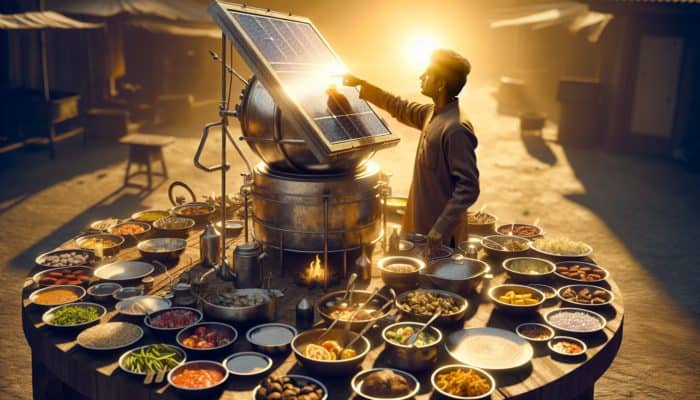
A variety of innovative techniques exist for cooking without electricity, each offering distinct advantages and applications across different environments and culinary traditions. Solar cooking effectively uses the sun’s energy—a plentiful renewable resource—to prepare meals. This method requires specific equipment designed to capture and retain solar heat efficiently. Best practices for solar cooking include positioning the solar cooker towards the sun and using dark-colored pots, which greatly enhance heat absorption for optimal cooking results.
Methods of open fire cooking, such as grilling and roasting, provide an authentic culinary experience often associated with social gatherings and celebrations. Safety must be prioritized when cooking over an open flame; therefore, ensuring proper ventilation, responsibly managing firewood, and having access to a nearby water source for emergencies are essential precautions to observe.
Thermal mass cooking involves utilizing retained heat for slow and uniform cooking, employing materials such as bricks or stones to maintain warmth. For optimal efficiency with this technique, it is crucial to preheat the thermal mass before placing food inside, guaranteeing that ideal cooking conditions are established.
Prioritising Safety in Cooking Without Electricity
When cooking without electricity, safety considerations are paramount, as traditional cooking methods can pose unique risks. Adequate ventilation is essential, especially when cooking over open flames, to avoid harmful gas accumulation. Handling fire with care requires the use of suitable tools while maintaining a safe distance from flammable materials. Following proper food safety guidelines is vital to prevent spoilage and foodborne illnesses. Key safety considerations include:
- Maintaining proper food storage temperatures
- Using clean utensils and cookware
- Ensuring sufficient ventilation when using open flames
- Practicing good hygiene during food preparation
By adhering to these safety measures, cooks can fully enjoy the extensive benefits of cooking without electricity while effectively minimizing potential hazards.
Expert Insights on Cooking Without Electricity
What Expertise Can Professionals Offer About Cooking Without Electricity?
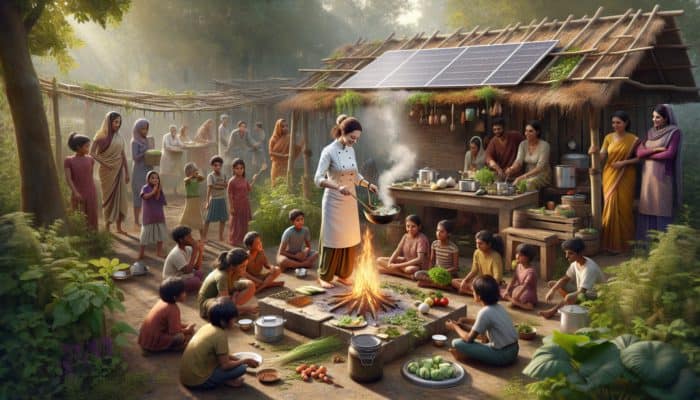
Experts in sustainable living and culinary arts advocate for the practice of cooking without electricity, emphasizing its numerous benefits for individuals and the environment alike. Many culinary professionals highlight the importance of selecting seasonal and locally sourced ingredients, which not only enhances flavor but also supports local economies. Real-world examples include chefs who conduct workshops aimed at teaching traditional cooking methods that do not rely on modern conveniences. They promote techniques such as open-fire cooking, demonstrating how to prepare delicious dishes while reducing electricity dependence.
Furthermore, sustainability advocates assert that cooking without electricity can encourage healthier eating habits. By avoiding processed foods, individuals are more likely to choose fresh, whole ingredients. Chefs often promote community cooking events where participants can share knowledge and skills, fostering a deeper appreciation for food and its origins.
How Can Cooking Without Electricity Improve Your Health?
Cooking without electricity can substantially enhance health by encouraging the use of fresh, unprocessed ingredients. This shift typically results in meals that are nutrient-dense and devoid of artificial additives. Practical steps for adopting healthier cooking methods without electricity involve prioritizing local and seasonal produce, which not only supports farmers but ensures the freshest ingredients are utilized. Embracing techniques like fermentation, which preserves nutrients, and using methods such as solar cooking can further elevate meal quality.
Additionally, cooking without electricity fosters mindfulness in food preparation. Engaging with food—such as chopping vegetables or stirring pots over an open flame—can transform into a meditative practice that enhances mental well-being. By concentrating on the cooking process and being fully present, individuals can nurture a healthier relationship with their food.
What Environmental Advantages Are Linked to Cooking Without Electricity?
The environmental impact of cooking without electricity is significant, as this approach can markedly reduce carbon footprints and promote sustainable living practices. By avoiding traditional energy sources, individuals contribute to the reduction of greenhouse gas emissions. Expert assessments indicate that methods such as solar cooking and open-fire cooking utilize renewable energy sources, thus minimizing waste and environmental harm.
Moreover, cooking without electricity encourages the use of local ingredients, which lessens the environmental costs associated with transporting food over long distances. By adopting sustainable cooking practices, individuals not only improve their health but also actively participate in preserving the planet for future generations.
Advanced Methods for Cooking Without Electricity
How to Optimize Solar Cooking Techniques?
Solar cooking harnesses the sun's energy to prepare meals, making it an eco-friendly and sustainable alternative to traditional cooking methods. To maximize solar cooking, one must utilize specific equipment—such as solar cookers or solar ovens—designed to concentrate sunlight effectively. Successful solar cooking practices include positioning the cooker to face the sun directly and adjusting its angle throughout the day, as well as using dark, heat-absorbent pots to enhance cooking efficiency.
Cooking times can vary based on sunlight intensity, so a measure of patience is essential. Foods particularly suited for solar cookers include rice, beans, and vegetables, which can be cooked in a single pot to minimize energy loss. Additionally, experimenting with recipes tailored for solar cooking can yield delightful results while promoting energy conservation.
Discover Effective Techniques for Open Fire Cooking
Open fire cooking techniques, including grilling or roasting over a campfire, are timeless practices that connect us to our culinary roots. While incredibly rewarding, cooking over an open flame necessitates careful attention to safety. Essential safety precautions include selecting a designated fire pit area situated away from flammable materials and always having a water source nearby to extinguish the fire if necessary.
When preparing food, ensure that meats are thoroughly cooked to prevent foodborne illnesses, and utilize separate utensils for raw and cooked foods to avoid cross-contamination. Exploring various cooking methods—like skewering vegetables or meats on sticks or using cast iron pots over coals—can lead to memorable culinary experiences under the open sky.
Utilizing Thermal Mass for Efficient Cooking
Thermal mass cooking represents an innovative approach that utilizes retained heat for slow cooking, providing an efficient alternative to conventional cooking methods. This technique involves using materials such as bricks, stones, or specially designed thermal cookers that hold heat for extended periods. To optimize the effectiveness of thermal mass cooking, preheating the thermal mass before placing food inside is essential, ensuring that the cooking process remains uniform and effective.
Foods particularly suited for this technique include stews, soups, and grains, which benefit from the slow, even heat. Furthermore, this method promotes resourcefulness, often requiring minimal fuel and can be employed in various environments, from backyards to remote camping sites.
What Challenges May Arise When Cooking Without Electricity?
How to Manage Time Constraints While Cooking Without Electricity?
Cooking without electricity can occasionally present time constraints, especially with methods like solar cooking that require prolonged cooking durations. However, effective planning and preparation can help alleviate these challenges. One strategy involves utilizing quicker cooking methods for fast meals, such as open-fire cooking or preparing dishes that can be left to cook slowly while engaging in other activities.
Batch cooking represents another effective tactic, allowing for the preparation of multiple meals simultaneously. By cooking larger quantities, individuals can save time during busy weeks by simply reheating or enjoying leftovers. Additionally, employing techniques like haybox cooking—where food is placed in an insulated container after initial boiling—can significantly reduce cooking time while still yielding delicious, fully cooked meals.
How to Adapt Cooking Techniques to Changing Weather Conditions?
Weather conditions can greatly influence cooking without electricity methods, particularly solar cooking, which is heavily reliant on sunlight. However, adapting cooking techniques to varying weather conditions is entirely achievable. For instance, on overcast days, one can switch to open fire cooking or thermal mass cooking, both of which are less dependent on ideal weather conditions.
In inclement weather, consider indoor cooking options that utilize thermal mass materials or insulated pots. Additionally, planning meals according to local weather forecasts can optimize cooking times and methods, ensuring that meals are prepared efficiently, regardless of external conditions.
How to Effectively Manage Limited Resources in Cooking Without Electricity?
Cooking without electricity often requires managing limited resources, such as fuel for open fire cooking or water for solar cooking. Developing effective resource management strategies is essential. Prioritizing efficiency by utilizing minimal fuel sources, like small branches or twigs for an open fire, can extend cooking capabilities.
Moreover, embracing cooking methods that require fewer resources, such as haybox cooking, can be advantageous. This method employs insulation to retain heat without necessitating continuous fuel. Lastly, utilizing preservation techniques like fermentation or drying can reduce the demand for fresh ingredients, allowing cooks to optimize resources while minimizing waste.
How to Ensure Food Safety Without Traditional Power Sources?
Maintaining food safety while cooking without electricity is critical, especially as conventional refrigeration methods may not be available. Proper storage and cooking techniques are essential to prevent spoilage and foodborne illnesses. First and foremost, ensure all ingredients are fresh before use, particularly perishables like meats and dairy products.
Utilizing cool storage methods, such as burying food in cool ground or using insulated containers, can help maintain safe temperatures. Cooking food thoroughly, especially meats, is vital for eliminating harmful bacteria. Lastly, practicing rigorous hygiene during food preparation, such as washing hands and utensils, can significantly minimize the risk of contamination.
Research-Backed Benefits of Cooking Without Electricity
What Do Studies Indicate About Nutritional Benefits?
Research shows that cooking without electricity can preserve more nutrients in food compared to traditional cooking methods reliant on electricity or gas. Studies demonstrate that techniques such as solar cooking and steaming better retain vitamins and minerals that may be lost through conventional high-temperature cooking processes, such as boiling.
Additionally, cooking without electricity often emphasizes the use of whole, unprocessed ingredients, contributing to higher nutritional quality in meals. Prioritizing fresh produce fosters a diet rich in essential nutrients, leading to improved overall health. Consequently, individuals adopting these cooking methods are likely to experience significant enhancements in their dietary habits and health outcomes.
How Does Cooking Without Electricity Impact Mental Health?
Cooking without electricity has the potential to positively influence mental health by promoting mindfulness and reducing reliance on technology. Engaging in the tactile experience of meal preparation—chopping, mixing, and cooking—can serve as a form of meditation, allowing individuals to detach from the digital environment.
Actionable steps to enhance mental well-being through cooking without electricity include establishing a routine that incorporates cooking as a form of self-care. This could involve setting aside time each week to try out new recipes, inviting friends or family to participate in the cooking experience, or even attending classes to learn traditional cooking techniques. Such activities cultivate a sense of community and connection, further improving mental health.
How Does Cooking Without Electricity Contribute to Environmental Sustainability?
Cooking without electricity significantly aids in promoting environmental sustainability by reducing greenhouse gas emissions associated with conventional cooking methods. By utilizing renewable energy sources, such as solar or biomass, individuals can lessen their dependence on fossil fuels. Expert evaluations reveal that implementing these practices not only diminishes carbon footprints but also supports a sustainable lifestyle.
Furthermore, cooking without electricity often encourages a lifestyle centered around local and seasonal ingredients, minimizing the environmental costs associated with transporting food. This holistic approach enhances appreciation for the environment, as individuals become more mindful of their food sources and the impact of their choices on the planet.
How Can Cooking Without Electricity Strengthen Social Connections?
Cooking without electricity can significantly strengthen social connections by fostering communal cooking and shared meals. Traditional cooking methods often unite families and communities, encouraging collaboration and bonding through shared culinary experiences.
One effective way to reinforce community ties is by organizing potlucks or community cooking events, where individuals can exchange recipes and cooking techniques while enjoying each other’s company. Additionally, teaching friends or family members how to cook without electricity creates opportunities for shared experiences and learning, further deepening relationships through the joy of food preparation.
Integrating Cooking Without Electricity Into Daily Life
How to Incorporate Cooking Without Power Into Your Everyday Routine?
Incorporating cooking without electricity into daily life necessitates thoughtful planning and adaptability. Begin by making small changes to your routine, such as dedicating one day a week to explore solar cooking or open-fire techniques. Gradually expanding this practice will foster a smoother transition, making it a more enjoyable experience.
Moreover, consider meal prepping for the week using cooking methods that don’t require power. For instance, utilize haybox cooking for slow-cooked meals or prepare larger batches of food that can be easily reheated. Over time, these practices will become second nature, allowing cooking without electricity to seamlessly integrate into your culinary lifestyle.
How to Introduce Children to the Joy of Cooking Without Electricity?
Teaching children to cook without electricity can instill invaluable life skills while promoting sustainability. This educational experience can be engaging and enjoyable by making learning fun through hands-on activities and interactive cooking sessions.
Consider organizing family cooking nights where children can assist in meal preparation using traditional methods like open-fire cooking or solar cooking. Encourage creativity by allowing them to choose ingredients and experiment with recipes, fostering a sense of ownership over their culinary creations. This approach not only builds essential skills but also deepens their appreciation for food and its origins.
Finding Balance Between Modern and Traditional Cooking Techniques
Achieving a balance between modern and traditional cooking methods allows for flexibility and variety in meal preparation. Combining these approaches can optimize efficiency while still honoring culinary traditions. For example, a modern slow cooker can be used alongside traditional methods like solar cooking, resulting in a diverse array of meal options.
The benefits of this balance include the opportunity to experiment with new techniques while enjoying the comfort and familiarity of modern conveniences. This fusion can lead to innovative recipes that reflect both contemporary and traditional influences, celebrating the best aspects of both culinary worlds.
How to Address Challenges and Limitations of Cooking Without Power?
Addressing common challenges, such as time constraints and weather conditions, is essential to make cooking without electricity more feasible and enjoyable. Effective planning and preparation can help mitigate these obstacles. For instance, utilizing quicker cooking methods, like open-fire cooking, can save time while preparing meals.
Additionally, having backup plans for adverse weather conditions—such as maintaining alternative cooking methods—can ensure that meals are consistently prepared without electricity. Moreover, embracing resourcefulness and creativity in the kitchen can transform limitations into opportunities for culinary innovation, enriching the overall cooking experience.
Emerging Innovations in Cooking Without Electricity
What Are the Latest Innovations in Cooking Without Power Technology?
Innovations in cooking without electricity technology are continuously emerging, offering new and efficient ways to prepare meals. Recent advancements include solar cookers designed for enhanced efficiency, such as parabolic solar cookers that effectively concentrate sunlight, enabling faster cooking times.
Other innovations involve the development of portable biomass stoves that utilize waste materials, thereby minimizing environmental impact while providing cooking solutions in off-grid settings. As technology continues to evolve, these new tools will further enhance the practicality of cooking without electricity, making it more accessible to a wider audience.
The Role of Cooking Without Power in Sustainable Living
Cooking without electricity plays a crucial role in promoting sustainable living, encouraging eco-friendly practices that reduce reliance on non-renewable energy sources. By embracing these methods, individuals contribute to a more sustainable lifestyle that minimizes waste and prioritizes local food sources.
Moreover, cooking without electricity fosters mindfulness in consumption, cultivating awareness of resource usage and food origins. This lifestyle choice benefits individuals and has a broader impact on the community and environment, contributing to a more sustainable future for all.
Cultural and Community Aspects of Cooking Without Electricity
Cooking without electricity nurtures cultural and community connections, often rooted in traditional methods and shared experiences. Celebrating these culinary practices helps preserve cultural heritage while advocating for sustainable living.
Community events focused on cooking without electricity can unite individuals, allowing them to share stories, recipes, and techniques. This collective experience not only strengthens community bonds but also keeps cultural traditions alive, enriching the culinary landscape for generations to come.
Answering Common Questions About Cooking Without Electricity
What Are the Most Effective Cooking Methods Without Electricity?
The most effective methods for cooking without electricity include solar cooking, open fire cooking, haybox cooking, and thermal mass techniques. Each method offers unique benefits, such as sustainability and efficiency.
How Can I Begin Cooking Without Electricity?
Start by incorporating small changes into your cooking routine, such as utilizing a solar cooker on sunny days or experimenting with open fire cooking during camping trips. Gradually build your skills and confidence over time to enhance your culinary repertoire.
What Tools Are Essential for Cooking Without Electricity?
Essential tools for cooking without electricity encompass solar cookers, fire pits, rocket stoves, insulated hayboxes, and manual food processors. These tools facilitate various cooking techniques efficiently and effectively.
Is Cooking Without Electricity Safe for Food Preparation?
Yes, cooking without electricity can be safe if proper food safety practices are observed, including thorough cooking, maintaining hygiene, and ensuring appropriate food storage to prevent spoilage and contamination.
Can Cooking Without Electricity Lead to Financial Savings?
Absolutely! Cooking without electricity can result in significant savings on energy bills, as it decreases reliance on electricity and gas. Additionally, sourcing local ingredients can further reduce grocery expenses.
How Does Cooking Without Electricity Benefit the Environment?
Cooking without electricity aids in lowering carbon footprints by utilizing renewable energy sources and minimizing waste. It promotes sustainable practices that significantly benefit the planet and its ecosystems.
What Health Advantages Are Associated with Cooking Without Electricity?
Cooking without electricity often results in healthier meals, as it emphasizes fresh ingredients and avoids processed foods. This dietary focus can lead to enhanced nutrition and improved overall health.
Can Children Learn Cooking Skills Without Electricity?
Yes! Teaching children to cook without electricity can impart valuable skills and foster a sense of sustainability. It can be an engaging and educational experience that nurtures creativity in the kitchen.
How Can I Maximize Efficiency When Cooking Without Electricity?
To maximize efficiency, plan your meals, utilize batch cooking techniques, and experiment with time-saving methods like haybox cooking or thermal mass cooking to minimize fuel consumption.
What Common Challenges Are Associated with Cooking Without Electricity?
Challenges include time constraints, weather dependencies, limited resources, and ensuring food safety. Nevertheless, effective planning and adaptability can help successfully overcome these hurdles.
Join us on our journey at X!
The post Cooking Without Power: Essential Techniques and Tips appeared first on Survival Bite.
The Article Essential Techniques and Tips for Cooking Without Power Was Found On https://limitsofstrategy.com
The Article Cooking Without Power: Essential Tips and Techniques First Appeared ON
: https://ad4sc.com