Essential Insights on the Importance of Hydration for Senior Cats' Health and Wellness
Exploring the Critical Importance of Hydration for Aging Felines
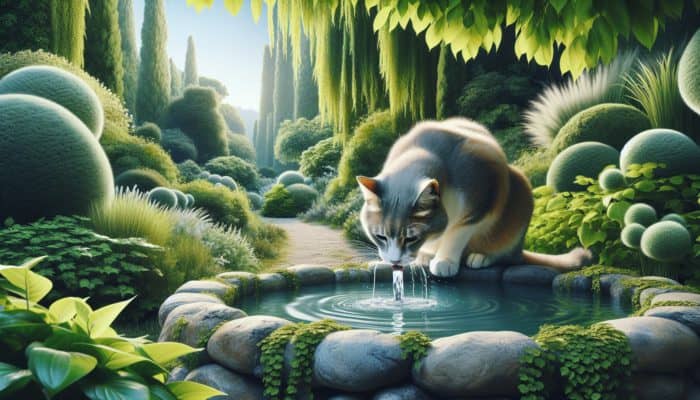
Monitoring hydration in senior cats is crucial as it significantly impacts their overall health and enhances their quality of life. As cats age, they progressively lose their ability to conserve water effectively, which heightens their risk of dehydration. Keeping them properly hydrated is vital for supporting essential physiological functions, including kidney function, digestion, and the absorption of nutrients. For instance, cats that maintain adequate hydration levels can efficiently filter waste from their systems, which reduces stress on their kidneys. This aspect is particularly critical since older cats face an increased risk of developing kidney-related complications.

Furthermore, ensuring sufficient hydration is fundamental for promoting a healthy digestive system. Cats that consume adequate amounts of water are significantly less likely to experience constipation, a common issue among senior felines. This not only enhances their comfort but also leads to a marked improvement in their overall quality of life. By helping senior cats stay well-hydrated, pet owners can play a pivotal role in preventing serious health issues that may arise from dehydration, including urinary tract infections and kidney failure.
Recognizing the Symptoms of Dehydration in Aging Cats
Being able to identify the signs of dehydration in senior cats is vital for effective preventive healthcare practices. Common indicators include lethargy, which may manifest as a significant lack of energy or disinterest in usual activities, along with dry gums and decreased skin elasticity. For example, a simple skin tent test—gently lifting the skin on the back of the cat's neck—can be quite revealing; if the skin does not quickly return to its original position, this may indicate dehydration.
Another clear sign of dehydration is a noticeable decrease in both water intake and urination frequency. Cats may show reduced activity levels and exhibit behavioral changes, such as hiding or less frequent grooming. Being observant to these signs is crucial, as early detection can help prevent serious health complications. Regularly monitoring changes in a cat's eating habits, activity levels, and bathroom behaviors empowers owners to identify dehydration before it becomes severe. Proactively tracking hydration is essential for protecting the long-term health of senior cats.
What Strategies Can Effectively Encourage Senior Cats to Drink More Water?
Encouraging adequate water intake in senior cats can be accomplished through several effective strategies. One practical approach is to position multiple water bowls throughout the home, especially in areas where the cat spends most of its time. Easy access to water can motivate cats to drink more frequently. Additionally, using <a href=”https://limitsofstrategy.com/drinking-water-in-san-miguel-de-allende-safety-tips/”>water fountains</a> can be advantageous, as many cats are drawn to the sound of flowing water, which can stimulate their interest in drinking. Cats tend to prefer the taste of running water over stagnant water, leading to increased consumption.
Incorporating wet food into the cat's diet represents another effective method. Wet food boasts a high moisture content, significantly enhancing hydration levels. Mixing wet food with dry kibble can make it more appealing and help retain moisture. Moreover, pet owners might consider adding a splash of low-sodium broth or water to dry food to further increase its moisture content. Regularly refreshing their water and ensuring the bowls are clean will also improve their willingness to drink. By combining these strategies, pet owners can create a hydration-friendly environment that supports the health and vitality of elderly cats.
How Can You Effectively Monitor Hydration Levels in Senior Cats?
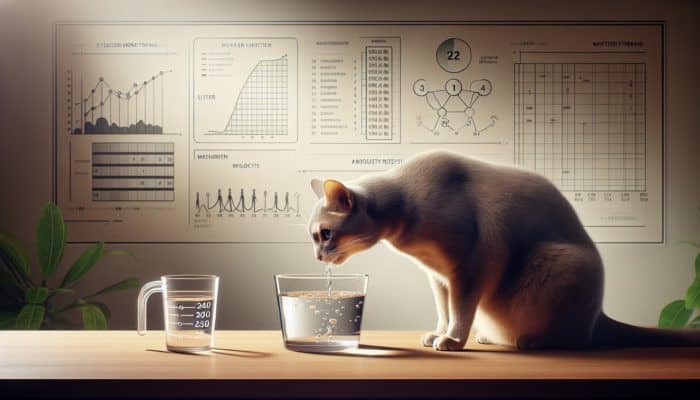
Monitoring hydration levels in senior cats is essential for maintaining their overall health and well-being. Pet owners should establish a routine for consistently checking water intake, which can be accomplished by observing their drinking habits and recording the amount consumed. A practical method involves measuring the water in the bowl at the start and end of each day to calculate how much the cat has ingested. Additionally, assessing the color and concentration of the cat's urine is beneficial, as darker urine may indicate dehydration.
Moreover, evaluating a cat's general activity level and behavior can provide valuable insights into their hydration status. A noticeable drop in energy or changes in normal behavior could signal dehydration. Scheduling regular health check-ups with a veterinarian can also assist in effectively monitoring hydration status. By using these methods, cat owners can ensure that their elderly pets maintain adequate hydration levels, positively contributing to their overall health and quality of life.
Proven Techniques for Tracking Hydration Levels in Senior Cats
Daily Strategies for Monitoring Water Intake
Keeping track of daily water intake is a fundamental method for assessing hydration levels in elderly cats. By monitoring changes over time, pet owners can identify trends that may indicate potential health issues. A consistent approach to measurement simplifies this process. Here are some effective strategies for tracking water intake:
- Utilize a marked water bowl to measure the initial water level and calculate the total amount of water consumed.
- Maintain a log to document daily water intake and any notable changes.
- Employ measuring cups to quantify the volume of water added to the bowl each day.
- Observe the frequency of refills and note any deviations from normal drinking habits.
Implementing these tracking methods will provide valuable insights into a cat's hydration status. With a consistent approach, pet owners can identify early signs of dehydration and respond promptly. This proactive strategy is vital for safeguarding the health of senior cats, ensuring they remain comfortable and well-hydrated.
What Benefits Does Regular Hydration Monitoring Offer?
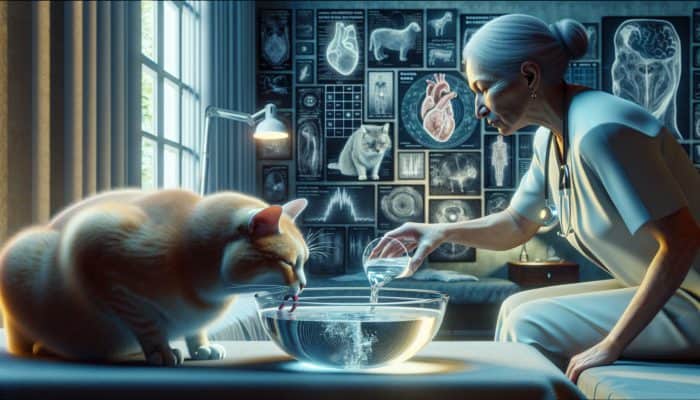
Regularly monitoring hydration in elderly cats offers numerous benefits, making it a crucial aspect of feline healthcare. One of the primary advantages is the ability to prevent dehydration before it escalates into more severe health complications. Early detection of hydration issues can enable timely veterinary intervention, significantly improving outcomes for senior cats. This practice may also uncover underlying health concerns, such as kidney disease or diabetes, which may become apparent through changes in drinking and urination patterns.
Moreover, consistent hydration monitoring enhances the overall well-being and comfort of the cat. By ensuring that elderly cats are adequately hydrated, owners can help maintain their energy levels, appetite, and overall quality of life. This proactive approach fosters a stronger bond between pet owners and their cats, as attentive care translates into improved health and happiness.
How Can Technology Improve Hydration Monitoring for Cats?
In today's digital landscape, technology provides innovative solutions for monitoring hydration in elderly cats. Smart devices and applications can simplify the tracking process while delivering valuable insights into a cat's drinking habits. For instance, automatic water dispensers can help maintain a steady water supply, with some models even tracking the volume of water dispensed. This feature allows pet owners to effectively monitor consumption trends.
Additionally, various mobile applications can assist in hydration monitoring by enabling owners to track daily water intake and receive timely reminders for refills. Some apps even offer health tips tailored to an individual cat's needs. By leveraging technology, pet owners can streamline the hydration monitoring process, ensuring that their elderly cats remain healthy and hydrated. The integration of these tools into daily care routines can significantly enhance the overall well-being of senior cats.
Professional Guidance on Hydration Monitoring for Senior Cats
How Can Veterinarians Support Hydration Management?
Veterinarians play an essential role in ensuring that elderly cats maintain adequate hydration levels. They provide expert guidance on a cat's specific hydration needs, considering various factors such as age, weight, and overall health. Veterinarians can recommend specialized monitoring tools, such as hydration assessment kits, which help pet owners accurately evaluate their cat's hydration status.
Beyond product recommendations, veterinarians can suggest hydration strategies tailored to the individual cat's circumstances. Some effective strategies may include:
- Advising on the best types of food to incorporate into the cat's diet for optimal hydration.
- Recommending specific water sources that are more appealing to cats.
- Providing tips for recognizing early signs of dehydration.
- Suggesting regular veterinary check-ups to monitor kidney function and overall health.
By collaborating with a veterinarian, pet owners can create a customized hydration plan that ensures their elderly cats receive the necessary care to thrive.
What Are the Latest Research Findings on Hydration?
Recent studies emphasize the critical importance of hydration in preventing age-related health problems in cats, particularly kidney disease. Research indicates that a well-hydrated cat is significantly less likely to develop severe kidney conditions compared to those suffering from chronic dehydration. Staying informed about the latest findings allows pet owners to enhance their hydration monitoring practices, ultimately improving their cat’s quality of life.
Specifically, studies reveal that as cats age, they become more vulnerable to declines in kidney function, making effective hydration management a vital component of their care. Incorporating findings from current research into daily routines enables pet owners to optimize their elderly cat's hydration and overall health. Keeping up with the latest developments in feline health science empowers pet owners to make informed decisions regarding their cat's care.
Real-Life Success Stories of Effective Hydration Monitoring
Numerous success stories from both veterinarians and cat owners highlight the positive outcomes stemming from diligent hydration monitoring in elderly cats. For example, one owner observed a remarkable improvement in their cat's energy levels and behavior after implementing a comprehensive hydration plan that included wet food and regular tracking of water intake. This proactive approach not only revitalized the cat but also helped prevent urinary tract infections, a common concern in older felines.
In another instance, a cat was diagnosed with early-stage kidney disease. The owner collaborated closely with their veterinarian to meticulously monitor hydration levels, adjusting the cat's diet and water sources as necessary. As a result, the cat's condition stabilized, and its quality of life improved significantly. These real-life examples underscore the profound impact that effective hydration monitoring can have on the health and well-being of elderly cats, emphasizing the importance of commitment and vigilance in their care.
The Interconnection Between Hydration and Kidney Health in Senior Cats
How Does Hydration Affect Kidney Function?
Proper hydration is vital for maintaining optimal kidney function in elderly cats. The kidneys play a critical role in filtering waste products from the bloodstream and regulating electrolyte balance. When a cat is adequately hydrated, its kidneys can efficiently perform these essential functions. Conversely, dehydration can impose significant strain on the kidneys, increasing the risk of kidney damage, which is particularly concerning for senior cats predisposed to kidney-related diseases.
For example, when cats do not consume sufficient water, their urine becomes concentrated, potentially leading to the formation of crystals and stones in the urinary tract. These complications can exacerbate existing kidney conditions and cause considerable discomfort for the cat. Maintaining adequate hydration is crucial for preventing such issues and ensuring the kidneys function effectively. Pet owners must recognize the significance of hydration in safeguarding their elderly cat’s kidney health and overall vitality.
How Can Proper Hydration Help Prevent Kidney Disease?
Ensuring that elderly cats remain hydrated is a proactive strategy that can significantly reduce the risk of kidney disease. Research indicates that consistent hydration can help prevent the progression of kidney-related issues, making it a crucial focus in senior cat care. By incorporating hydration monitoring into daily routines, pet owners can catch early signs of kidney strain and take corrective action.
Regularly assessing urinary output and urine concentration can provide critical insights into a cat's hydration status. Collaborating with a veterinarian to implement a tailored hydration plan can also be instrumental in preventing kidney disease. This plan may involve dietary adjustments, such as increasing the amount of wet food and ensuring continuous access to fresh water. By prioritizing hydration, pet owners can significantly contribute to their elderly cat’s health and longevity.
What Symptoms Suggest Potential Kidney Issues?
Identifying symptoms of kidney issues in elderly cats is essential for timely intervention. Common signs include increased thirst and frequent urination, which often arise as the kidneys begin to lose their filtering capabilities. Additional symptoms may include weight loss, lethargy, vomiting, and a decrease in appetite. Pet owners must monitor their cats for these changes, as early detection can lead to more effective treatment options.
For instance, if a cat suddenly begins to drink more water than usual, it may indicate underlying kidney issues. Similarly, if a cat appears consistently lethargic or shows a decline in grooming behavior, these can be warning signs. By remaining vigilant and aware of these symptoms, cat owners can seek veterinary care promptly, potentially leading to better health outcomes and the ability to reverse or slow the progression of kidney-related diseases.
Effective Strategies to Promote Hydration in Senior Cats
Facilitating hydration in elderly cats is crucial for their overall well-being. There are numerous effective strategies to encourage cats to drink more water. One of the simplest methods is to provide wet food, which contains significantly more moisture than dry kibble. Many cats find wet food more appealing, making it a desirable addition to their diet.
Utilizing water fountains can also be beneficial, as cats are often instinctively attracted to running water, which can stimulate their interest in drinking. Additionally, placing water bowls in quiet, easily accessible locations encourages regular drinking. It's vital to keep water bowls clean and filled with fresh water, as stale or dirty water can deter cats from drinking. Regularly cleaning the bowls will help promote hydration.
Lastly, offering hydrating treats, such as water-rich fruits or specially formulated cat treats, can also enhance hydration. By implementing these strategies, pet owners can create a supportive environment that encourages adequate hydration, helping to maintain kidney health and overall vitality in elderly cats.
How to Effectively Monitor Hydration Levels in Senior Cats?
Regularly checking for signs of dehydration is crucial for maintaining optimal hydration and kidney function in elderly cats. One effective method is to assess skin elasticity; gently pulling up on the skin at the back of the cat's neck can provide insight into hydration status. If the skin does not promptly return to its original position, this may suggest dehydration.
Additionally, evaluating gum moisture serves as another important indicator. Healthy gums should appear moist and pink; dry or pale gums can signal dehydration. Monitoring the cat's drinking habits and urination patterns also offers valuable information. Changes in these behaviors may indicate the need for further evaluation or intervention.
By consistently observing these signs and incorporating regular health check-ups with a veterinarian, pet owners can ensure their elderly cats remain well-hydrated and maintain optimal kidney function. A proactive approach to hydration monitoring is key to enhancing the quality of life for senior cats.
Dietary Changes for Enhanced Hydration
The Importance of Wet Food in Improving Hydration Levels
Wet food plays a pivotal role in enhancing hydration for elderly cats due to its high moisture content. Unlike dry kibble, wet food can provide up to 75% moisture, significantly contributing to a cat's daily hydration needs. This is especially crucial for senior cats who may not drink enough water independently. By incorporating wet food into their diet, pet owners can ensure their elderly cats receive adequate hydration while benefiting from essential nutrients.
Moreover, the palatability of wet food often entices cats to eat more, particularly if they are experiencing a decline in appetite—a common issue among senior felines. This increased food intake not only supports hydration but also boosts overall nutrition, helping to maintain their health and energy levels. Pet owners should consider offering a variety of wet food options to keep their cats engaged and interested in mealtime, thereby promoting both hydration and a balanced diet.
What Food Options Boost Hydration Levels?
Selecting the appropriate types of food can significantly impact hydration levels in elderly cats. Foods with high water content, such as canned food, are excellent choices. Additionally, certain fruits and vegetables that are safe for feline consumption can also aid in hydration. For example, small amounts of watermelon or cucumbers can provide refreshing hydration; however, it's imperative to ensure these foods are safe for cats.
Moreover, incorporating homemade broths or low-sodium soups can provide additional hydration while enhancing the flavor of their meals. Providing a balanced diet that includes both wet and dry food can help maintain hydration levels while catering to a cat’s taste preferences. Pet owners should remain diligent in selecting high-quality food options that support both hydration and overall health, ensuring their elderly cats receive the essential nutrients they need to thrive.
How to Transition Smoothly to a Hydrating Diet?
Transitioning an elderly cat to a hydrating diet should be approached gradually to avoid digestive upset. The process begins by slowly introducing wet food alongside their regular dry food. Start by mixing a small amount of wet food with the dry kibble, gradually increasing the wet food portion over several days. This gradual approach allows the cat’s digestive system to adjust to the new diet without causing discomfort.
Monitoring the cat's reaction during the transition is essential. If any signs of gastrointestinal upset arise, such as vomiting or diarrhea, pet owners should slow down the introduction process. Additionally, offering a variety of flavors and textures can entice the cat to accept the new food. Once the transition is complete, regular monitoring of hydration levels and dietary intake will help ensure that the cat remains well-hydrated and healthy.
How to Monitor Hydration Levels Through Dietary Adjustments?
Monitoring hydration levels through diet involves observing changes in urination and overall behavior. Regularly assessing urine concentration can indicate hydration status; darker urine may suggest dehydration, while lighter urine typically indicates adequate hydration. Pet owners should also pay attention to their cat's appetite and energy levels, as fluctuations in these areas can signal hydration issues.
Additionally, evaluating the cat's weight can provide insights into hydration management. Unintentional weight loss may indicate inadequate hydration or other underlying health issues. To maintain optimal hydration, pet owners should adjust their cat's diet as necessary, especially when they notice any changes in the cat's drinking habits or overall well-being. A proactive approach to hydration monitoring through diet ensures elderly cats remain healthy and vibrant.
Proven Strategies for Effective Hydration Monitoring in Senior Cats
Establishing Daily Monitoring Practices
Establishing a routine for daily hydration monitoring is vital for maintaining optimal hydration levels in elderly cats. Here are some actionable steps for implementation:
- Check water bowls twice daily to ensure they are clean and filled with fresh water.
- Track daily water intake by measuring the water level at both the start and end of the day.
- Observe the cat's drinking habits and document any significant changes.
- Regularly examine the cat's urine for color and concentration.
By consistently following these steps, pet owners can effectively monitor their cat's hydration status and intervene when necessary. This routine fosters a proactive approach to hydration management, ensuring that elderly cats remain well-hydrated and healthy.
Expert Insights on Hydration Needs for Senior Cats
Experts recommend that elderly cats require more frequent hydration monitoring due to their heightened risk of dehydration. Understanding the specific needs of senior cats is crucial for effective care. Factors such as age, weight, activity level, and underlying health conditions can all influence hydration requirements. For instance, a senior cat with kidney disease may need more rigorous hydration management compared to a healthy elder cat.
Additionally, variations in environmental conditions, such as heat or humidity, can affect hydration needs. Pet owners should remain vigilant about these factors to ensure their elderly cats receive appropriate hydration. Consulting with a veterinarian can provide tailored insights and recommendations to optimize hydration strategies, ultimately improving the health and quality of life for senior felines.
What Best Practices Ensure Adequate Hydration?
Implementing best practices for hydration is crucial to ensure elderly cats remain adequately hydrated. Key practices include providing fresh water daily, closely monitoring water intake, and regularly consulting with a veterinarian. Pet owners should also ensure that water bowls are placed in easily accessible areas, allowing cats to drink without difficulty. Cleaning water bowls frequently is vital to encourage consistent drinking.
Incorporating wet food into the diet is another effective practice, as it can significantly enhance moisture intake. Offering a variety of hydration sources, such as fountains and different types of wet food, can further motivate cats to drink more. By following these best practices, pet owners can create an environment that supports hydration and contributes to the overall health and longevity of elderly cats.
Environmental Factors Affecting Hydration
How Does the Environment Impact Hydration Levels?
The environment plays a significant role in the hydration levels of elderly cats. Factors such as temperature, humidity, and living conditions can all affect a cat's hydration needs. For instance, hotter climates or homes with dry air can lead to increased fluid loss, necessitating a higher intake of fluids to compensate. Pet owners should be mindful of how these environmental factors can influence their cat's hydration needs.
Providing a comfortable living environment is crucial. Maintaining a moderate temperature and ensuring a stress-free atmosphere can promote healthy drinking habits and contribute to overall well-being. Additionally, keeping the cat's living area clean and uncluttered promotes a relaxed environment, making it easier for the cat to access water sources and stay hydrated.
Creating a Hydration-Friendly Home Environment
Creating a hydration-friendly home is essential for promoting adequate water intake in elderly cats. Accessibility is key; water bowls should be placed in quiet, easily reachable locations, away from litter boxes and high-traffic areas. Utilizing multiple water sources, such as bowls and fountains, can provide options and stimulate interest in drinking.
Maintaining a comfortable temperature within the home can further support hydration efforts. During warmer weather, providing shade and cool areas for the cat to rest can help reduce overheating and promote water intake. Regularly cleaning water bowls and refreshing their contents ensures that the water remains fresh and appealing, encouraging the cat to drink more. By making these adjustments, pet owners can create an environment that fosters hydration and supports their elderly cat’s health.
What Common Environmental Challenges Impact Hydration?
Several environmental challenges can affect hydration levels in elderly cats. Hot weather increases the risk of dehydration, as cats may lose fluids more rapidly. Additionally, dry indoor air—common during winter months—can also contribute to reduced moisture intake. Stressful environments, characterized by loud noises or frequent disruptions, can deter cats from drinking water.
To mitigate these challenges, pet owners can implement various strategies. Providing access to shaded areas and using humidifiers during dry seasons can help alleviate the effects of heat and dryness. Creating a calm and quiet environment can also encourage better hydration habits. By being proactive and addressing these environmental challenges, pet owners can significantly improve their elderly cat's hydration status and overall health.
How to Monitor Hydration in Various Environments?
Monitoring hydration in different environments requires adaptability and vigilance. Pet owners should regularly monitor their pet's water intake and observe signs of dehydration, adjusting their strategies based on environmental conditions. For example, during hot weather, it may be necessary to provide additional water sources and encourage more frequent drinking.
In cooler, drier conditions, ensuring that water is always fresh and accessible can help maintain hydration levels. Pet owners should also be proactive in recognizing environmental stressors that may affect a cat’s drinking behavior, such as loud noises or other pets that might intimidate the cat. By tailoring hydration monitoring strategies to the specific environment, pet owners can ensure their elderly cats remain hydrated and healthy, regardless of external conditions.
Long-Term Strategies for Effective Hydration Management
How to Develop a Comprehensive Hydration Plan?
Creating a long-term hydration plan for elderly cats involves regular monitoring, dietary adjustments, and consideration of environmental factors. This plan should include daily assessments of water intake, consistent observation of behavior changes, and periodic health check-ups with a veterinarian.
Dietary modifications should also be incorporated, with an emphasis on including wet food and hydrating treats to enhance moisture intake. Moreover, creating a comfortable living space that promotes easy access to water sources contributes to sustained hydration. By consistently implementing these strategies, pet owners can effectively manage their elderly cat's hydration over time, ensuring their overall health and well-being.
What Indicators Suggest Effective Hydration Management?
Indicators of successful hydration management in elderly cats include stable weight, good energy levels, and normal kidney function. These signs indicate that the cat is receiving adequate hydration and nutrition, which contributes to its overall quality of life. A well-hydrated cat will exhibit a healthy coat and maintain an active and engaging demeanor.
Furthermore, monitoring urination patterns can provide insights into hydration status. Consistent urination without significant changes in frequency or concentration indicates effective hydration management. Regular veterinary check-ups can also confirm kidney health and overall wellness, allowing pet owners to evaluate the effectiveness of their hydration strategies.
How to Adjust Hydration Strategies Over Time?
As cats age, their hydration needs may change, necessitating adjustments to monitoring and dietary strategies. Pet owners should remain vigilant and regularly assess their cat's hydration status, especially during different life stages or when experiencing health changes.
Increased monitoring may be required for cats diagnosed with health issues or those undergoing treatment that affects hydration levels. Additionally, dietary preferences may shift over time, requiring adjustments in the types of food offered. By being adaptable and responsive to the evolving needs of elderly cats, pet owners can ensure that their hydration management strategies remain effective, thereby supporting their cats' health and happiness.
Frequently Asked Questions About Cat Hydration
Why is monitoring hydration crucial for elderly cats?
Monitoring hydration is essential for elderly cats, as it helps prevent dehydration, supports kidney function, and promotes overall health. Regular assessments can lead to early detection of health issues, ensuring timely interventions.
What symptoms indicate dehydration in older cats?
Symptoms of dehydration in elderly cats include lethargy, dry gums, reduced skin elasticity, and decreased drinking and urination. Observing these signs is essential for taking timely action.
How can I promote my elderly cat to drink more water?
To encourage water intake, place multiple water bowls in accessible areas, utilize water fountains, incorporate wet food into their diet, and ensure the water remains fresh and clean.
What methods can I use to effectively track my cat's water intake?
Effective tracking methods include measuring water levels in bowls at the start and end of the day, maintaining a log of daily intake, using marked water bowls, and observing refill frequency.
Can technology assist in hydration monitoring for my cat?
Absolutely, technology can aid in hydration monitoring through smart devices, such as automatic water dispensers and mobile apps that track water intake, simplifying the process and enhancing accuracy.
In what ways can veterinarians assist with hydration management?
Veterinarians provide guidance on hydration needs, recommend monitoring tools, and suggest tailored hydration strategies based on the cat's health and lifestyle.
What dietary changes can improve hydration in elderly cats?
Incorporating wet food, offering hydrating treats, and providing low-sodium broths can greatly enhance hydration levels. A balanced diet is crucial for elderly cats.
How can I determine if my cat is well-hydrated?
Signs of a well-hydrated cat include stable weight, normal energy levels, a healthy coat, and regular urination patterns. Monitoring these factors can indicate effective hydration management.
What environmental factors may affect my cat’s hydration?
Temperature, humidity, and living conditions can all impact hydration levels. Hot or dry environments may necessitate increased attention to hydration needs.
How frequently should I check my elderly cat's hydration levels?
Regular hydration checks should be performed daily, focusing on observing water intake, urine concentration, and overall behavior to ensure your cat remains well-hydrated.
Connect with us on Facebook!
The Article Hydration Monitoring for Elderly Cats: Essential Tips First Published On https://elgatoencasa.com
The Article Hydration Monitoring Tips for Elderly Cats Was Found On https://limitsofstrategy.com
The Article Hydration Tips for Monitoring Your Elderly Cat First Appeared ON
: https://ad4sc.com