Explore the Essential Guide to Quarry Tiles for British Homes
Why You Should Be Cautious About Steam Cleaning Your Quarry Tiles
Homeowners often grapple with a crucial question: Should I Avoid using a steam cleaner on Quarry tiles? This concern stems from significant worries regarding the upkeep of these visually appealing surfaces. Although quarry tiles are celebrated for their remarkable durability, their porous nature puts them at risk of damage from high-pressure steam cleaning. The potential for steam to induce cracks, cause fading, or weaken grout is considerable, underscoring the importance of employing cleaning methods that prioritize the long-term preservation of your tiles.
On further reflection, steam cleaners might seem like a handy cleaning option, yet they often cause more harm than benefit to quarry surfaces. Instead, it is advisable to choose gentler cleaning techniques—such as utilizing pH-neutral cleaning agents combined with microfiber mops—to ensure a safe and effective maintenance routine, thereby protecting the aesthetic and structural integrity of your tiles.
This comprehensive article will explore the reasons to avoid steam cleaning, especially in older homes or properties featuring heritage flooring. You will discover how steam moisture can penetrate beneath the tiles and the detrimental effects of thermal expansion on these surfaces.
Moreover, we will share effective cleaning methods that help maintain the visual appeal of your quarry tiles, ensuring they remain in excellent condition for years to come. Your flooring deserves a maintenance plan that emphasizes both care and longevity.
By the end of this guide, you will be prepared to make informed choices regarding the cleaning of your beautiful tiles—without gimmicks and without risking damage, only with confidence and peace of mind.
Unveiling the Diverse Types of Quarry Tiles You Can Choose From

Quarry tiles have established themselves as a mainstay in British architecture, appreciated for their exceptional durability and rustic allure. The most prevalent types found in UK homes comprise unglazed red and grey quarry tiles, primarily crafted from natural clay. This timeless aesthetic harmonizes beautifully with a variety of interior styles, from charming traditional cottages to sleek modern kitchens. The unglazed surface not only enhances their natural beauty but also provides slip-resistant properties, making them an excellent selection for high-traffic areas such as hallways and kitchens. It is vital to recognize that quarry tiles can differ in thickness and texture, elements that can significantly impact their visual appeal and practical uses.
Recommended Products for Daily Quarry Tile Care by Experts
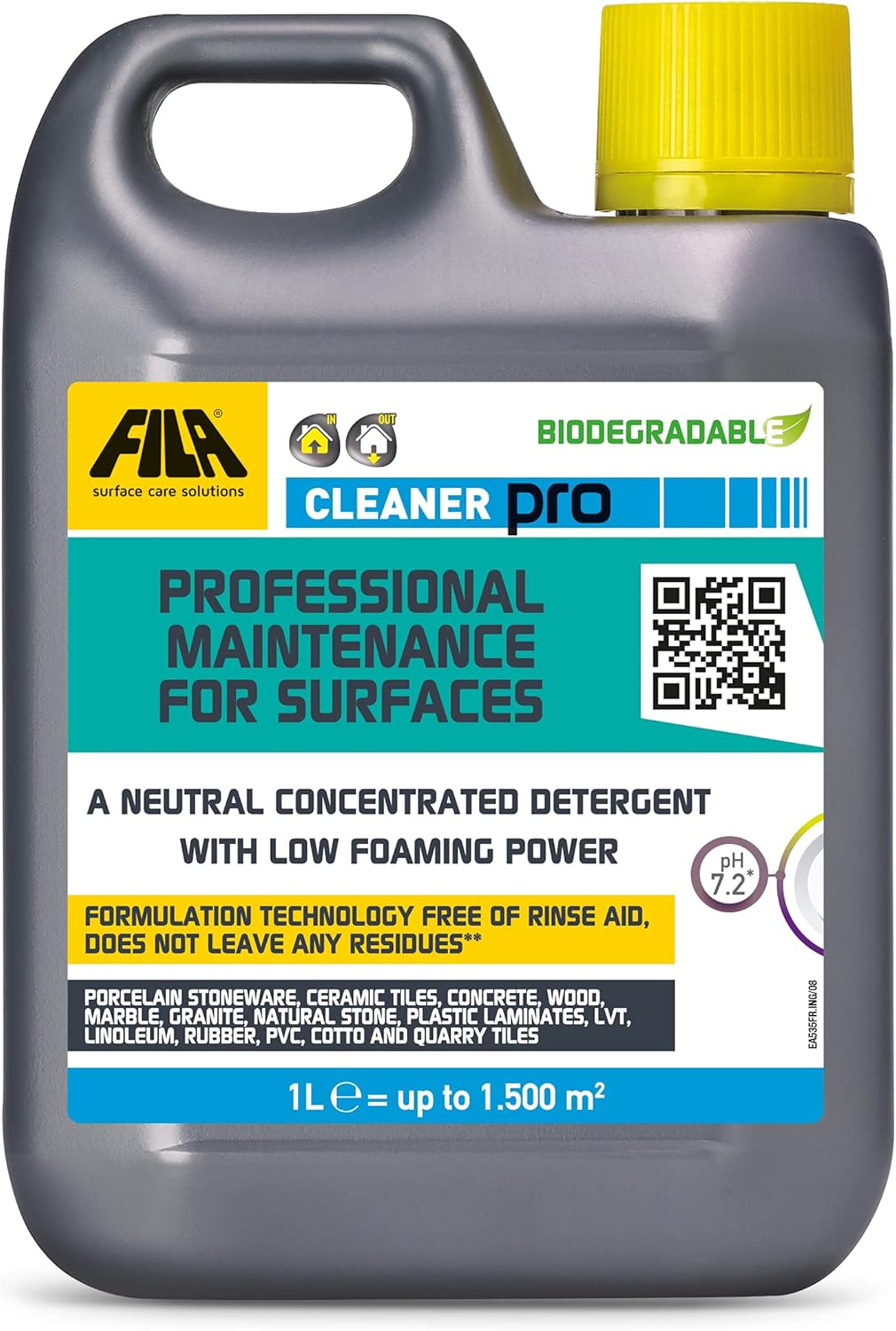
Fila Pro Floor Cleaner
|
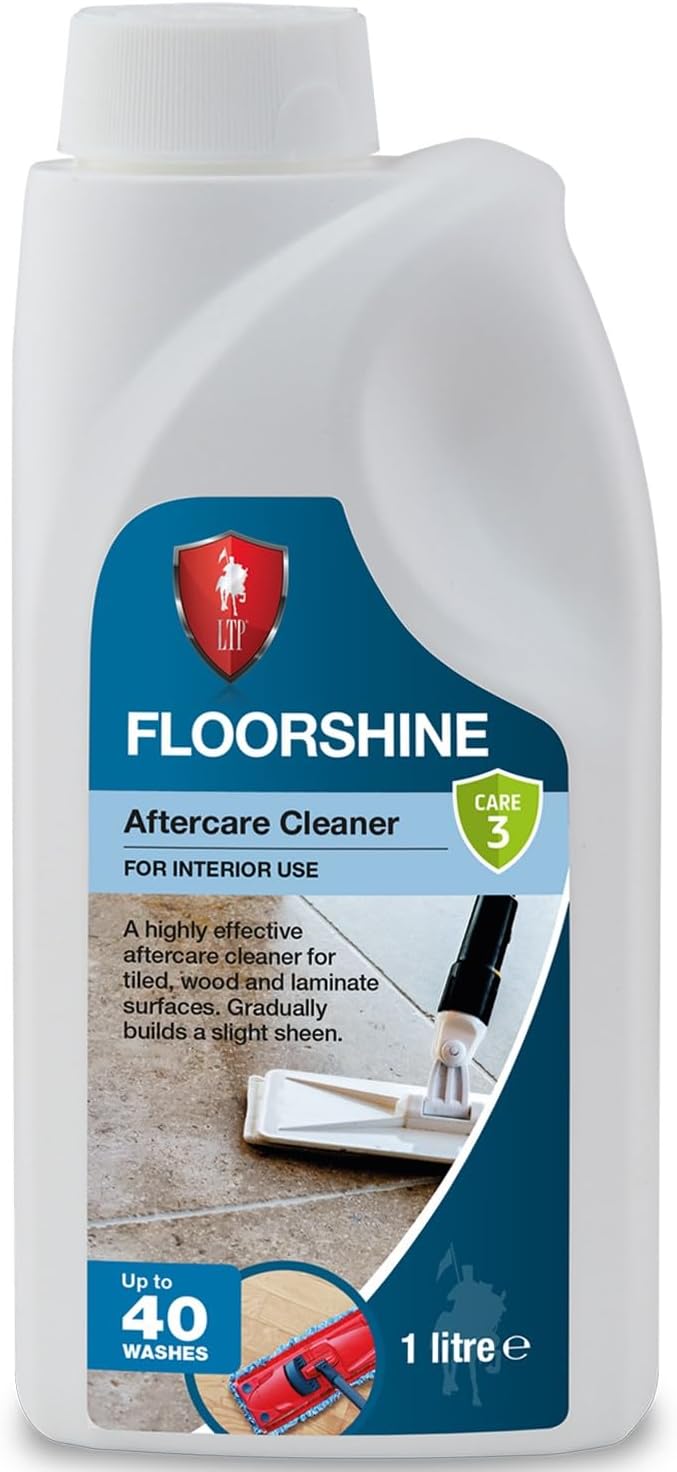
LTP Floorshine
|

Vileda H2PrO Spin Mop System
|
Many homeowners prefer unglazed tiles for their earthy, natural appearance, while glazed options can introduce vibrant colours and a glossy finish. The texture of these tiles may vary from smooth to more textured surfaces, enhancing grip, especially in areas prone to spills. Given their porous nature, sealing is crucial to protect against stains and moisture, a vital consideration for homeowners in the UK, where weather conditions can fluctuate considerably.
Exploring the Multifaceted Uses of Quarry Tiles Across the UK
In the UK, quarry tiles are highly regarded for their versatility and strength, making them well-suited for both residential and commercial applications. They are commonly utilized in kitchens and utility rooms, where their robustness and longevity are particularly valued. Additionally, they are often selected for conservatories and even outdoor patios. Their capacity to endure heavy foot traffic, combined with their innate water resistance, renders them an ideal choice for both indoor and outdoor environments.
Moreover, quarry tiles frequently feature in commercial spaces such as pubs and restaurants, where durability and ease of maintenance are critical. Their aesthetic charm can significantly enhance the atmosphere of an establishment, creating a warm and inviting environment. For example, quarry tiles can evoke a rich sense of history and tradition in a rustic country pub while also contributing to a contemporary design aesthetic in modern settings.
Essential Maintenance Practices for Quarry Tiles
Maintaining quarry tiles in the UK demands a strategic approach, especially considering the unpredictable weather conditions. Regular sweeping and mopping with a gentle cleaning solution are crucial to prevent dirt from becoming embedded in the porous material. Additionally, it is advisable to reseal the tiles periodically to bolster their resistance to stains and moisture, particularly in areas subjected to heavy foot traffic.
Grout lines also require careful attention, as they are susceptible to discolouration and mould growth if not routinely maintained. Given the damp conditions that often prevail in the UK, ensuring adequate ventilation in spaces with quarry tiles is essential. This not only extends the lifespan of the tiles but also minimizes the risk of mould growth, helping to maintain both the visual appeal and functionality of these resilient surfaces.
Understanding the Detrimental Effects of Steam Cleaning on Quarry Tiles

How Moisture Affects Quarry Tiles
Utilizing steam cleaning introduces significant moisture, raising serious concerns regarding the durability of quarry tiles. Their naturally porous structure means that excessive moisture can infiltrate the material, leading to numerous complications. While the natural clay composition of quarry tiles can withstand occasional dampness, prolonged exposure to steam can saturate the tiles and jeopardize their structural integrity.
A primary risk linked with steam cleaning is the potential weakening of the internal bond within the tile. When steam seeps into the tile, it can cause the clay to expand and contract, resulting in cracks or even breakage over time. This not only detracts from the tile's visual appeal but can also lead to costly repairs. Homeowners should explore alternative cleaning methods that protect the appearance and longevity of their quarry tiles, thereby avoiding the dangers associated with excessive moisture.
Identifying Potential Damage From Steam Cleaning
Steam cleaning can cause various types of damage to quarry tiles, particularly when not performed correctly. The intense heat generated during the steam cleaning process can lead to thermal shock, resulting in tiles warping or cracking. This issue is particularly troublesome for tiles exposed to direct sunlight or in environments with fluctuating temperatures, as the expansion and contraction can create stress points that compromise the tiles.
Additionally, the high-pressure steam can dislodge grout between tiles, causing gaps that may facilitate moisture infiltration. This not only diminishes the visual appeal of the tiled surface but also creates conditions conducive to mould and mildew growth, posing significant health risks. It is essential to assess these potential damages against the perceived benefits of steam cleaning, especially when considering the long-term maintenance and visual integrity of quarry tiles.
Long-Term Consequences of Using Steam Cleaners on Quarry Tiles

Over time, the enduring effects of employing steam cleaners on quarry tiles can be profoundly damaging. Beyond immediate physical harm, repeated exposure to steam can result in gradual degradation of the tile surface. This deterioration often manifests as dullness or a loss of colour, significantly detracting from the overall aesthetic of the tiled area.
Furthermore, due to the porous nature of quarry tiles, once damage occurs, they become increasingly susceptible to staining and discolouration. Homeowners may find themselves caught in a cycle of cleaning and resealing, which not only incurs ongoing expenses but can also be labor-intensive. Ultimately, it is crucial to weigh the long-term financial and aesthetic repercussions of using steam cleaning as a method for maintaining quarry tiles.
Proactive Strategies for Preserving Quarry Tiles
To safeguard quarry tiles from the harmful effects of steam cleaning, several preventative measures are recommended. Firstly, applying a high-quality sealant can significantly reduce their porosity, making them less vulnerable to moisture infiltration. Regular maintenance routines, including resealing every few years, can help maintain the tiles’ integrity and prolong their lifespan.
Exploring alternative cleaning methods is also advantageous. For instance, employing a mild detergent mixed with warm water can effectively clean tiles without introducing excessive moisture. A soft-bristled brush can assist in loosening grime from grout lines without damaging the tile surface. Additionally, homeowners may consider investing in microfiber mops or cloths, which can efficiently remove dirt without the need for steam cleaning.
Engaging with professionals who specialize in quarry tile maintenance can provide valuable insights and tailored recommendations. By implementing these preventative strategies, homeowners can ensure their quarry tiles remain in excellent condition for years to come.
Insights from Experts on Quarry Tile Maintenance in the UK
Valuable Perspectives from Industry Professionals
Experts across the UK consistently advise caution when it comes to steam cleaning quarry tiles. Many professionals advocate for traditional cleaning methods over steam cleaning due to the inherent moisture risks involved. For instance, leading tile care specialists recommend using a damp mop with a gentle cleaning solution, as this method effectively removes dirt without jeopardizing the integrity of the tiles.
Additionally, professionals emphasize the importance of understanding the specific type of quarry tile being cleaned. Certain tiles may possess a more porous nature, necessitating even greater caution to avoid damage. Experts typically recommend regular maintenance routines that incorporate thorough sweeping and mopping, along with periodic resealing, to ensure long-lasting protection.
Consulting with a professional can also provide customized advice regarding the most suitable cleaning products to use, as not all detergents are appropriate for quarry tiles. Homeowners should seek guidance from specialists who understand the complexities of quarry tile care, ensuring their cleaning practices align with industry best practices.
Manufacturer Guidelines for Quarry Tile Care
Manufacturers of quarry tiles frequently release guidelines outlining appropriate cleaning methods and products. These recommendations often stress the importance of avoiding steam cleaning due to the risk of damage. Many manufacturers endorse using pH-neutral cleaners in conjunction with traditional mopping techniques as the safest approach to maintaining the quality of their tiles.
In addition to cleaning methods, manufacturers may offer specific recommendations regarding the types of sealants that enhance the durability of quarry tiles. Adhering to these guidelines is critical for homeowners wishing to maintain their warranty and ensure the longevity of their investment.
To maximize the effectiveness of quarry tiles while preserving their beauty, homeowners should actively pursue and follow manufacturer recommendations prior to undertaking any cleaning regimen. This not only enhances the tiles’ appearance but also protects against unnecessary wear and tear.
Case Studies Demonstrating Successful Quarry Tile Maintenance
Numerous documented cases in the UK highlight the impact of steam cleaning on quarry tiles, showcasing both successful outcomes and failures. In specific instances, homeowners initially reported satisfaction with the cleaning results, only to experience long-term issues such as discolouration and cracking later. These narratives serve as cautionary tales, emphasizing the need for thorough research and careful consideration before opting for steam cleaning.
Conversely, there are cases where homeowners have successfully maintained their quarry tiles through alternative cleaning methods, demonstrating the effectiveness of more traditional techniques. These instances typically involve detailed maintenance routines that include regular cleaning and resealing, allowing homeowners to enjoy their quarry tiles without the risks associated with steam cleaning.
By reviewing these case studies, potential users of quarry tiles can gain valuable insights into the most effective cleaning practices. This knowledge not only aids in making informed decisions but also fosters a more sustainable approach to tile maintenance.
Consumer Experiences Regarding Quarry Tile Maintenance
Consumer feedback concerning the use of steam cleaning on quarry tiles in the UK has varied, with many homeowners expressing concerns about long-term effects. While some reported immediate cleanliness, others highlighted issues such as surface dullness and increased susceptibility to stains.
Homeowners frequently emphasize the necessity of researching and understanding the unique characteristics of their quarry tiles before selecting a cleaning method. Many endorse traditional cleaning solutions, which have proven effective in preserving both the appearance and functionality of their tiles over time.
Positive consumer testimonials often underscore the benefits of regular care, reflecting the value of maintaining quarry tiles through simple, non-invasive cleaning practices. By sharing their experiences, consumers contribute to a broader understanding of best practices for preserving quarry tiles.
Establishing Maintenance Standards for Quarry Tiles
In the UK, various professional organizations and tile manufacturers set industry standards for cleaning quarry tiles. These standards provide guidelines for homeowners and cleaning professionals alike, outlining safe and effective practices for maintaining quarry tiles.
Best practices typically advise against steam cleaning due to the associated risks of damage. Instead, the focus is on regular cleaning routines that utilize appropriate cleaning solutions and techniques designed to protect the tile's integrity.
By adhering to these industry standards, homeowners can ensure their quarry tiles remain in excellent condition, preserving their beauty and functionality for years to come. Awareness of industry standards empowers homeowners and cultivates a culture of responsible tile maintenance within the community.
Exploring Alternative Cleaning Solutions for Quarry Tiles in the UK
Time-Tested Traditional Cleaning Techniques
Traditional cleaning methods for quarry tiles have consistently demonstrated effectiveness and safety for maintaining their beauty. A widely used technique involves creating a simple mixture of warm water and mild detergent, which can be applied with a mop or cloth. This method efficiently lifts dirt while safeguarding the tile’s surface from potential damage caused by harsher chemicals.
Another favored approach is using a vinegar and water solution, a natural cleaning agent that effectively cleans and helps remove stains while neutralizing odours. It is essential to ensure that the solution is not overly concentrated, as excessive acidity can harm the tiles.
Additionally, utilizing a soft-bristled brush can effectively tackle dirt and grime lodged in the grout lines without risking damage to the tile surface. These traditional methods are preferred for their effectiveness and simplicity, allowing homeowners to maintain their quarry tiles without resorting to steam cleaning.
Innovative Solutions for Quarry Tile Care
In the realm of modern cleaning solutions, various products specifically formulated for the care of quarry tiles have emerged. These include pH-neutral cleaners that efficiently remove dirt without harming the tile surface. Many of these products are engineered to penetrate the porous surface of quarry tiles, ensuring a thorough clean while maintaining their integrity.
Another advancement in tile care is the introduction of microfiber cleaning pads and mops, designed to capture dirt without excessive moisture. This method allows for comprehensive cleaning without the risks associated with steam cleaning, making it a favored choice for numerous homeowners.
Moreover, steam mops specifically designed for hard surfaces may feature adjustable settings that allow for lower moisture release, providing a safer alternative for those who prefer steam cleaning. By staying informed about modern options, homeowners can select the most appropriate cleaning methods for their quarry tiles.
Eco-Conscious Cleaning Solutions for Quarry Tiles
With an increasing focus on sustainability, eco-friendly cleaning methods have gained traction among UK homeowners. These approaches often utilize natural ingredients that are both effective and safe for the environment. For instance, a mixture of baking soda and water can create a gentle abrasive that effectively lifts stains without the use of harsh chemicals.
Another eco-friendly cleaning solution involves using lemon juice, which not only cleans but also offers deodorizing effects. This natural cleaner is particularly effective at addressing stains without compromising the quality of the tiles.
Homemade vinegar solutions are also favored for their natural disinfecting properties. By combining vinegar and water, homeowners can create a mild yet effective cleaning solution that is safe for both the tiles and the environment. Embracing these eco-friendly options enables homeowners to maintain their quarry tiles while being mindful of their ecological impact.
Effective DIY Cleaning Solutions for Homeowners
Many UK homeowners have embraced homemade cleaning solutions to maintain their quarry tiles using readily available household ingredients. One popular recipe combines baking soda with warm water to create a paste that can be applied to stained areas. This paste effectively lifts dirt without the need for abrasive scrubbing, thereby protecting the tile’s surface.
Another effective DIY solution involves using castile soap mixed with water, creating a gentle yet efficient cleaner that is safe for quarry tiles. This solution not only cleans but also nourishes the tile surface, enhancing its overall appearance.
For those seeking a natural deodorizer, a mixture of essential oils with water can be sprayed onto the tiles, imparting a pleasant aroma while cleaning. Incorporating these DIY solutions into regular maintenance can help prolong the lifespan of quarry tiles without resorting to steam cleaning techniques.
Evaluating the Impact of UK Weather on Quarry Tile Care
How Climate Influences Tile Maintenance in the UK
The weather in the UK significantly affects the care and maintenance of quarry tiles. Given the consistently damp and frequently chilly climate, the risk of moisture infiltration becomes a critical concern. Homeowners must remain vigilant about the heightened likelihood of mould and mildew growth, which thrive in humid environments.
To mitigate these challenges, ensuring proper ventilation is essential. Making certain that areas with quarry tiles are well-ventilated can help reduce moisture accumulation and prevent deterioration. Additionally, employing dehumidifiers can be beneficial in particularly damp settings.
Temperature fluctuations typical of the UK also impact quarry tiles. During colder months, tiles may contract, while warmer weather can prompt expansion. This cyclical change can create stress points, underscoring the need for regular maintenance to uphold the tiles' integrity.
Seasonal Maintenance Strategies for Quarry Tiles
Seasonal changes in the UK necessitate specific cleaning and maintenance strategies for quarry tiles. In spring, the focus should shift to deep cleaning and resealing, preparing the tiles for the wet summer months ahead. Regular sweeping and mopping can help remove accumulated dirt and ensure the surface is ready for a protective seal.
Throughout summer, maintaining a clean and dry environment is crucial, as outdoor moisture can easily seep indoors, particularly in older properties. Homeowners should routinely check for signs of mould or mildew growth and promptly address any issues to prevent further damage.
As autumn arrives, leaves and debris can accumulate on outdoor tiles, necessitating regular cleaning to prevent slips and falls. Winter presents its own challenges, with the potential for frost damage if moisture has penetrated the tiles. Homeowners should take care to eliminate any standing water and inspect for cracks that could worsen during freezing temperatures.
Tailoring Care for Indoor and Outdoor Quarry Tiles
Maintaining indoor and outdoor quarry tiles requires a customized approach, given their differing exposure to environmental elements. Indoor tiles are generally more shielded from harsh weather extremes but experience wear and tear from foot traffic and spills. Consistent cleaning and resealing are crucial for preserving their appearance and functionality.
In contrast, outdoor quarry tiles face harsher conditions, including rain, snow, and fluctuating temperatures. These tiles necessitate more rigorous maintenance to avoid damage from moisture infiltration and freezing temperatures. Homeowners should ensure that outdoor tiles are adequately sealed and regularly cleaned to prevent the buildup of dirt and algae, which can pose slip hazards.
Understanding the specific needs of indoor versus outdoor quarry tiles empowers homeowners to create effective maintenance strategies tailored to the unique challenges posed by each environment.
Health and Safety Considerations for Quarry Tiles in the UK
Minimizing Slip Hazards Associated with Quarry Tiles
A primary concern related to steam cleaning quarry tiles is the increased risk of slip hazards. After steam cleaning, tiles may retain moisture, resulting in a slick surface that poses a significant danger, especially in high-traffic areas. This risk is particularly salient in homes with children or elderly residents, where falls can lead to serious injuries.
To mitigate these risks, homeowners should thoroughly inspect the condition of their tiles before cleaning. Ensuring that tiles are completely dried following any cleaning process can help prevent accidents. Furthermore, placing mats or rugs in high-traffic areas can provide extra traction and enhance safety.
Professional cleaning services may also recommend specific techniques for drying tiles after steam cleaning, such as using fans or dehumidifiers to expedite the process. By prioritizing safety, homeowners can enjoy the visual appeal of their quarry tiles without compromising their well-being.
Combating Mould and Mildew Growth Challenges
The potential for mould and mildew growth on quarry tiles escalates after steam cleaning due to elevated moisture levels. Mould can pose serious health risks, particularly for individuals with respiratory issues or allergies. Therefore, homeowners should remain vigilant and proactive in monitoring their homes for signs of mould.
Implementing effective ventilation strategies is critical in combating moisture-related problems. Regularly opening windows and doors, particularly in areas with quarry tiles, can promote airflow and decrease humidity levels. Homeowners should also consider using mould-resistant sealants to protect their tiles from moisture infiltration.
If mould is detected, prompt action is necessary. A mixture of vinegar and water can serve as an effective home remedy for treating growth, but persistent mould may require professional intervention. Maintaining a clean and dry environment is vital to prevent mould and mildew from becoming a significant concern.
Addressing Allergen Concerns During Quarry Tile Maintenance
Allergenic problems associated with steam cleaning quarry tiles can arise from the growth of mould and mildew in damp conditions. For individuals with allergies or sensitivities, the spores produced by these fungi can trigger reactions, making it essential to keep a clean environment.
Regular cleaning routines that avoid excessive moisture can significantly reduce allergen levels within the home. Homeowners should opt for low-moisture cleaning techniques and ensure that their spaces are adequately ventilated to mitigate the risk of allergen accumulation.
Furthermore, the choice of cleaning products plays a crucial role. Many traditional cleaning agents can contain harsh chemicals that may exacerbate allergic reactions. Therefore, selecting eco-friendly or natural cleaning solutions can benefit both the health of the tiles and the occupants of the home.
Cost Considerations and Efficiency of Cleaning Methods for UK Homeowners
Understanding the Costs Involved with Steam Cleaners
The expenses associated with purchasing and utilizing steam cleaners in the UK can vary considerably based on brand and model. While some steam cleaners can be relatively affordable, high-end models with advanced features may require a more significant investment.
In addition to the initial purchase price, homeowners should factor in ongoing costs, such as electricity consumption and maintenance expenses. Regular upkeep of the steam cleaner itself is vital to ensure it operates efficiently for cleaning quarry tiles. This maintenance includes descaling and replacing filters, which can add to the overall financial burden.
Homeowners must weigh these costs against the perceived benefits of steam cleaning. Many find that the potential risks and long-term consequences linked to steam cleaning quarry tiles may not justify the initial investment, especially when effective alternative cleaning methods are readily available.
Assessing the Efficiency of Steam Cleaning Techniques
When evaluating the effectiveness of steam cleaning in comparison to alternative cleaning methods, it becomes evident that traditional cleaning techniques often yield better results for quarry tiles. Although steam cleaning might provide a quick clean, the potential risks of damaging the tiles and creating moisture-related issues can overshadow any perceived efficiency advantages.
Numerous homeowners report that traditional methods, such as mopping with mild detergents, deliver a more thorough clean without the dangers associated with steam. Additionally, these techniques typically require less drying time, thereby minimizing the risk of slip hazards.
Furthermore, the effectiveness of cleaning products specifically formulated for quarry tiles generally surpasses that of steam cleaning. These products are designed to penetrate the porous surface efficiently, ensuring a deep clean that maintains the appearance and integrity of the tiles over time.
Long-Term Financial Benefits for Homeowners
For residents in the UK, the potential long-term savings associated with avoiding steam cleaning can be substantial. While the initial costs for traditional cleaning supplies may seem minor, the cumulative savings over time can be significant when accounting for tile maintenance and repair expenses.
By embracing alternative cleaning methods and prioritizing regular upkeep, homeowners can extend the lifespan of their quarry tiles, thereby reducing the likelihood of incurring costly repairs or replacements. Additionally, the reduction in slip-related accidents resulting from careful cleaning practices can lead to lower insurance premiums and decreased liabilities.
Ultimately, by thoughtfully considering the costs associated with steam cleaning versus traditional cleaning methods, homeowners can make informed decisions that not only protect their quarry tiles but also yield long-term financial benefits.
Frequently Asked Questions About Quarry Tile Maintenance
Is it advisable to steam clean quarry tiles?
Using a steam cleaner on quarry tiles is generally not recommended due to the risk of moisture damage and the potential for cracking.
What are the most effective cleaning techniques for quarry tiles?
Mopping with warm water and a mild detergent or vinegar solutions is recommended for effectively cleaning quarry tiles without causing harm.
How often should I perform maintenance on my quarry tiles?
Regular cleaning every week, alongside deep cleaning and resealing every few months, is ideal for maintaining quarry tiles in optimal condition.
Do quarry tiles require sealing?
Yes, quarry tiles are porous and should be sealed to prevent stains and moisture absorption, typically every two to three years.
What signs indicate potential damage to quarry tiles?
Signs of damage may encompass cracks, chips, discolouration, or a dull appearance, signaling a need for maintenance or repair.
How can I prevent mould growth on quarry tiles?
Ensuring adequate ventilation, adhering to regular cleaning routines, and utilizing mould-resistant sealants are effective measures to prevent mould on quarry tiles.
Are there eco-friendly cleaning options available for quarry tiles?
Yes, natural solutions such as vinegar, baking soda, and biodegradable detergents can effectively clean quarry tiles while being environmentally friendly.
What risks are associated with steam cleaning quarry tiles?
Risks include moisture damage, thermal shock, displaced grout, and an increased susceptibility to mould and mildew growth.
Is vinegar an appropriate cleaning agent for quarry tiles?
Yes, a diluted vinegar and water solution can effectively clean quarry tiles; however, caution should be exercised regarding the concentration to avoid damaging the surface.
Is steam cleaning suitable for other types of tiles?
Steam cleaning may be appropriate for certain tile types, but it is essential to evaluate the specific needs and characteristics of the tiles being cleaned.
The Article Should I Avoid Using a Steam Cleaner on Quarry Tiles: A UK Guide first found on https://london-stone.co.uk
The Article Avoiding Steam Cleaners on Quarry Tiles: A UK Guide appeared first on https://fabritec.org
The Article Avoiding Steam Cleaners on Quarry Tiles: Essential UK Tips Was Found On https://limitsofstrategy.com
The Article Essential UK Tips for Avoiding Steam Cleaners on Quarry Tiles First Appeared ON
: https://ad4sc.com